Rebar Couplers: A Smart Solution for Reinforcement Splicing in Modern Construction
In today’s construction industry, structural integrity, efficiency, and cost-effectiveness are critical. That’s where rebar couplers come into play—an essential technology for reinforcement splicing that ensures safe, durable, and efficient connections in concrete structures.
What is a Rebar Coupler?
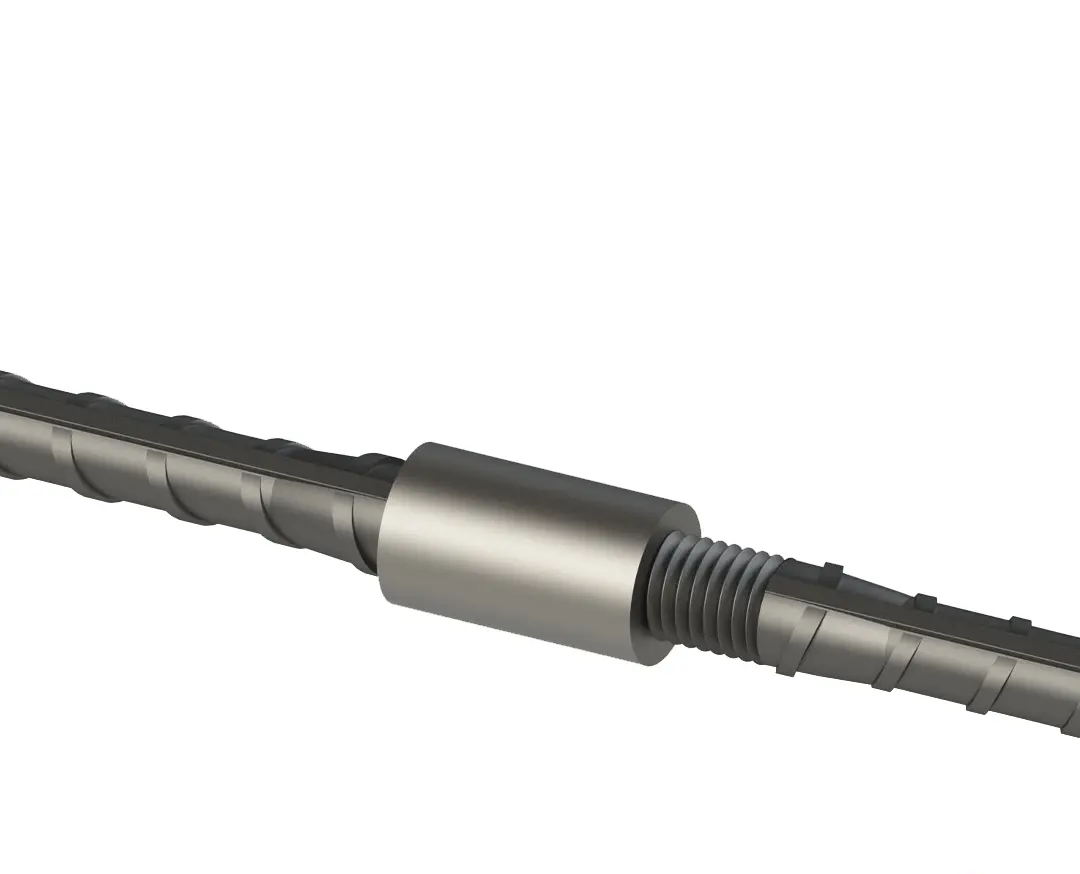
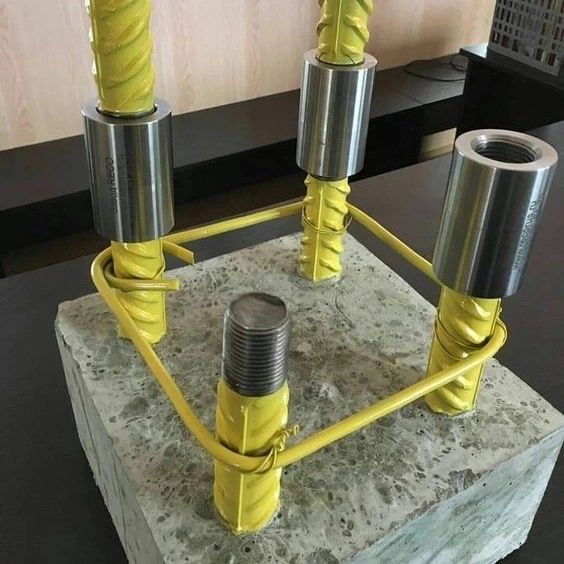
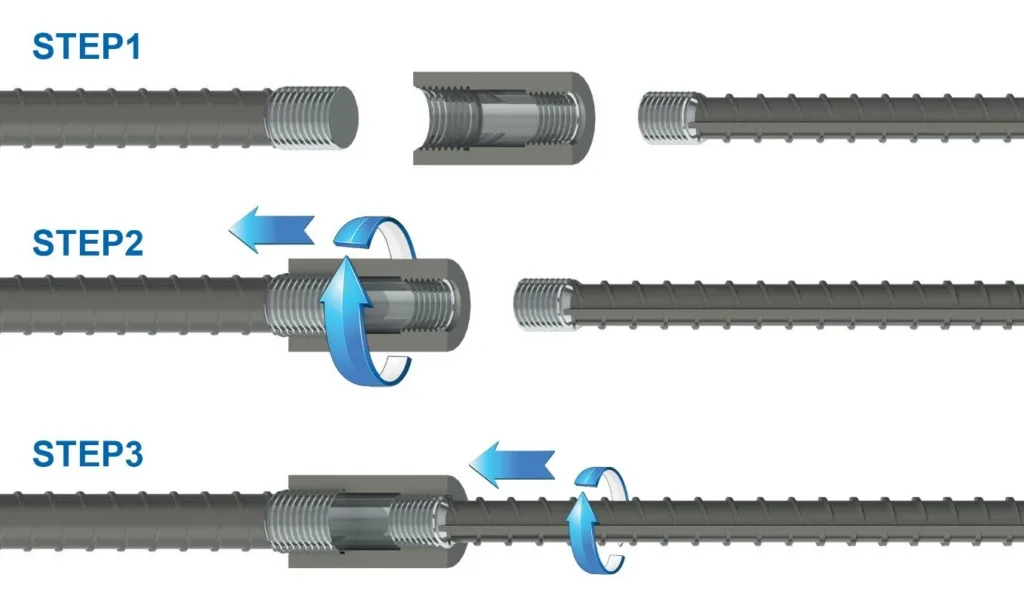
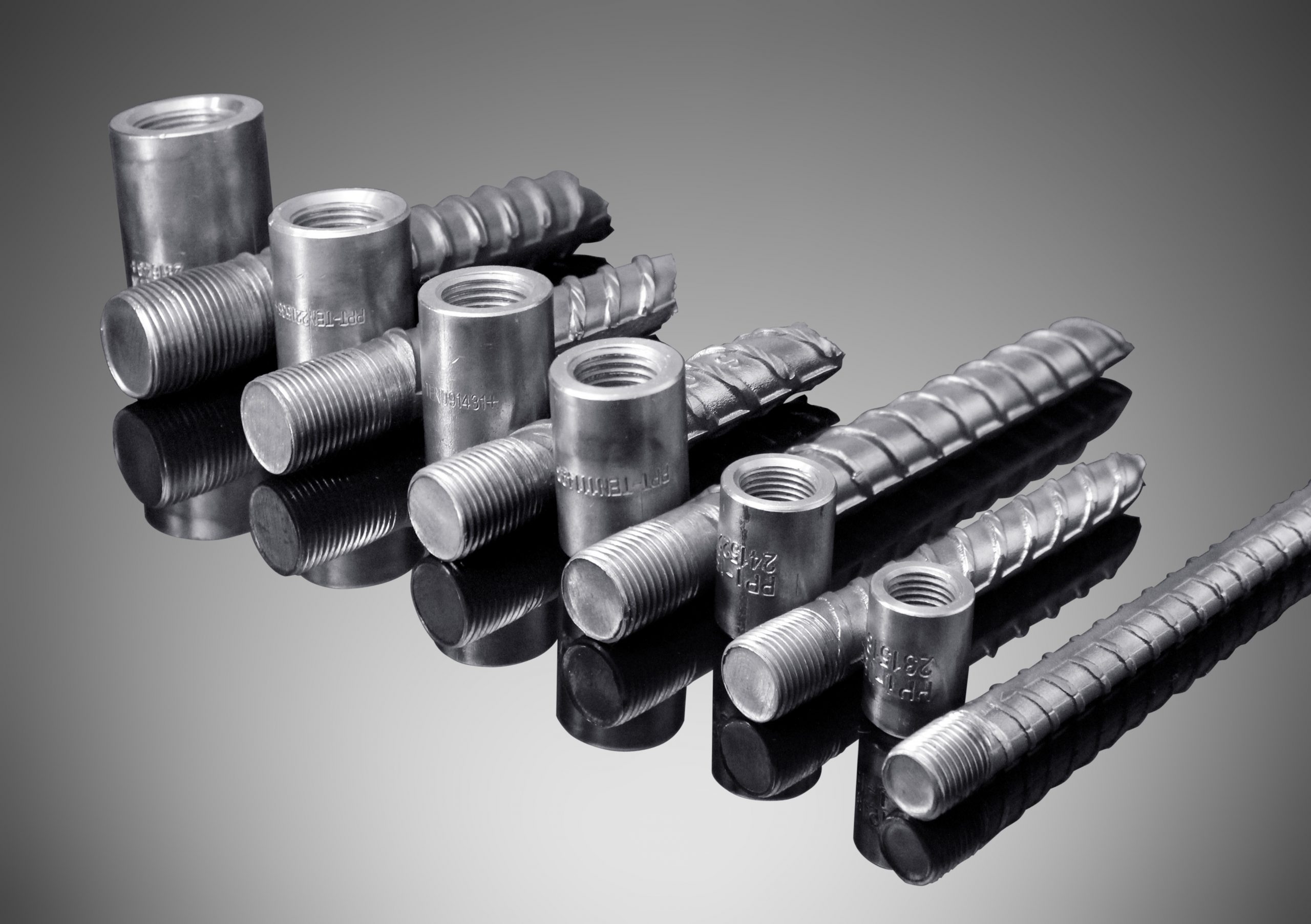
A rebar coupler is a mechanical connector used to join two reinforcing bars (rebars) end-to-end. Unlike traditional lap splicing, which requires overlapping bars and consumes more material, couplers create a continuous load path that saves steel, reduces congestion, and enhances construction speed and safety.
Types of Rebar Couplers
- Standard Couplers – Best for simple, in-line bar connections where both bars can be rotated.
- Position Couplers – Ideal when neither bar can be rotated during installation.
- Taper-Threaded Couplers – Feature a secure, screw-in design for quick and strong connections.
- Grout-Filled Couplers – Use high-strength grout to bond rebars, perfect for heavy load-bearing structures.
Key Benefits of Rebar Couplers
- Improved Structural Strength – Provides a continuous mechanical link, enhancing the overall structural performance.
- Material & Cost Savings – Eliminates the need for overlapping bars, reducing steel consumption and project costs.
- Faster Construction Times – Simplifies rebar placement and accelerates project timelines.
- High Versatility – Suitable for beams, columns, slabs, shear walls, and precast elements.
Where Are Rebar Couplers Used?
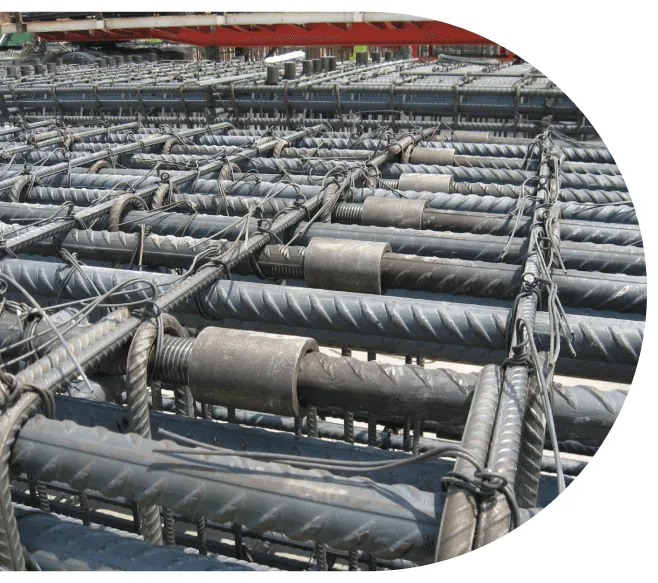
Rebar couplers are widely used in infrastructure and high-rise construction, including:
- Skyscrapers and multi-storey buildings
- Bridges and flyovers
- Tunnels and dams
- Industrial and marine structures
Their ability to deliver strong, reliable, and compact connections makes rebar couplers a preferred choice in projects where safety, durability, and construction efficiency are non-negotiable.
Gallery